
Healthy Everyday Recipes is aimed at home cooks who want meals that feel balanced, tasty, and realistic to recreate more than once. This page isn’t about rigid rules or fancy food trends. It centers on crafting dishes that fit daily life: satisfying meals crafted from practical ingredients, straightforward methods, and enough flexibility to work across different routines in United States.
Why Everyday Healthy Cooking Matters
The most practical healthy recipes are the ones people can actually keep in steady rotation. That means meals should feel approachable, not restrictive. They need enough structure to support good habits, yet enough comfort and flavor to stay enjoyable at the table.
For that reason, this page emphasizes balanced combinations: vegetables with texture and color, grains or other filling bases, proteins that suit the dish naturally, and sauces or dressings that unite everything without making the meal feel heavy. A healthy recipe succeeds when it still feels complete and satisfying.
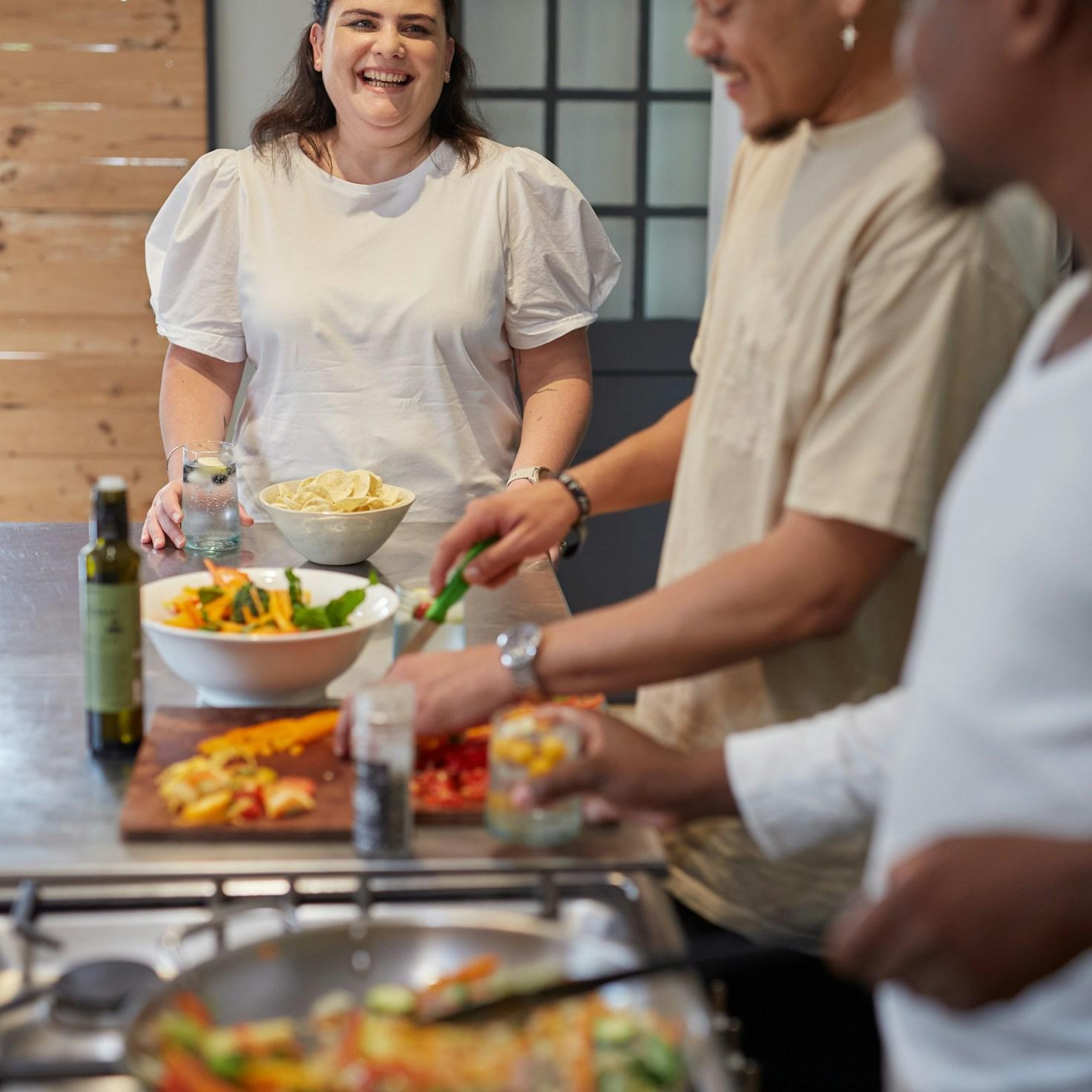
What Makes These Recipes Useful
One of the biggest benefits of healthy everyday cooking is consistency. When recipes are simple enough to repeat, meal planning becomes easier and the kitchen feels more manageable throughout the week. Instead of leaning on extremes, this approach supports meals that are steady, varied, and realistic.
Another strength is adaptability. A well-structured healthy recipe can often be adjusted with different vegetables, grains, herbs, dressings, or cooking methods while still keeping its overall balance. This helps the recipes stay practical even when ingredients change or time feels limited.
"Healthy everyday cooking works best when it stops feeling like a separate project and starts feeling like a normal part of home life — balanced, enjoyable, and easy enough to return to again."
This is the core idea behind the page. The recipes are meant to support real schedules and real kitchens, without removing the pleasure of cooking or eating well.
What Helps Healthy Meals Feel Better
Balanced Components
Good everyday recipes typically include a strong balance of texture, freshness, and structure. Crisp or roasted vegetables, grains or other steady bases, proteins that fit the meal, and an element that brings brightness — such as herbs, citrus, or a light sauce — can elevate a simple plate into something genuinely satisfying.
That is why recipes in this category focus on complete meals rather than isolated elements. The goal is not only to make something healthy, but to make it feel worth repeating.
Practical Preparation
Healthy recipes become more useful when they fit normal kitchen routines. That can mean tray bakes, one-pan dishes, grain bowls, soups, simple sautés, or make-ahead components that help lunch and dinner come together more quickly. Recipes should support consistency rather than create extra pressure.
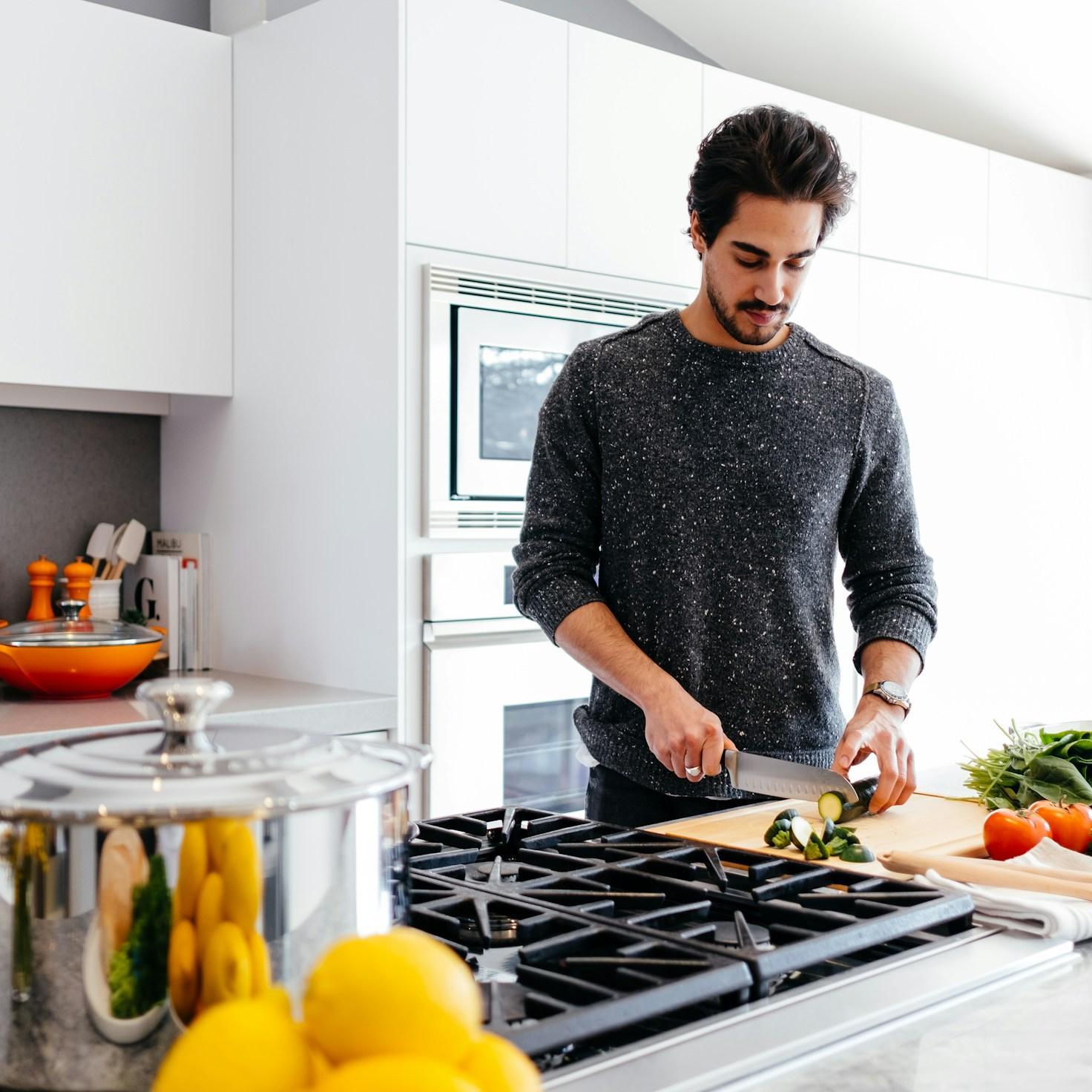
Flavor Without Excess
Healthy food should never feel flat. Herbs, spices, roasted notes, citrus, yogurt-based elements, seeds, and fresh toppings can all build flavor while keeping a dish light and balanced. Small thoughtful additions often matter more than making a recipe overly complicated.
The Honest Challenges
Making the Meal Too Minimal
One common mistake is assuming healthy recipes should feel extremely light in every way. In practice, meals that are too minimal often leave people unsatisfied and less likely to repeat them. A balanced recipe needs enough substance to feel complete.
Complicating Meal Prep
Another issue is trying to make every healthy meal highly planned and perfectly organized. While preparation helps, too much complexity can make daily cooking harder than it needs to be. It is better to build around a few dependable ingredients and repeatable methods than to overdesign the routine.
Ignoring Variety
Healthy everyday cooking works best when meals change enough to stay interesting. A familiar structure is useful, but flavor, vegetables, herbs, dressings, and sides should shift often enough to keep the table feeling fresh.
Practical Information
- Cooking Style: Balanced everyday meals for home kitchens
- Difficulty: Easy to moderate
- Best Timing: Weekly planning, light lunches, and practical family dinners
- Typical Ingredients: Vegetables, grains, proteins, herbs, yogurt-based sauces, citrus, legumes, and flexible pantry staples
- Kitchen Goal: Meals that feel nutritious, flavorful, and easy to maintain
Would We Recommend This Cooking Style?
Absolutely. Healthy everyday recipes are among the most useful dishes to keep in a personal cooking collection because they support consistency without removing enjoyment. They help create routines that feel lighter, more organized, and still deeply satisfying.
If you’re seeking a more balanced approach to cooking that remains practical and enjoyable, this page is a great place to start. Healthy Everyday Recipes is designed to make everyday meals feel easier, fresher, and more realistic to cook again.
For more recipe inspiration, continue with Family Dinner Classics: Easy Weeknight Recipes or return to One-Pot Meals for Busy Weekdays. You can also explore additional kitchen resources through Visit the USA – Food & Drink and Eater Food Guides.